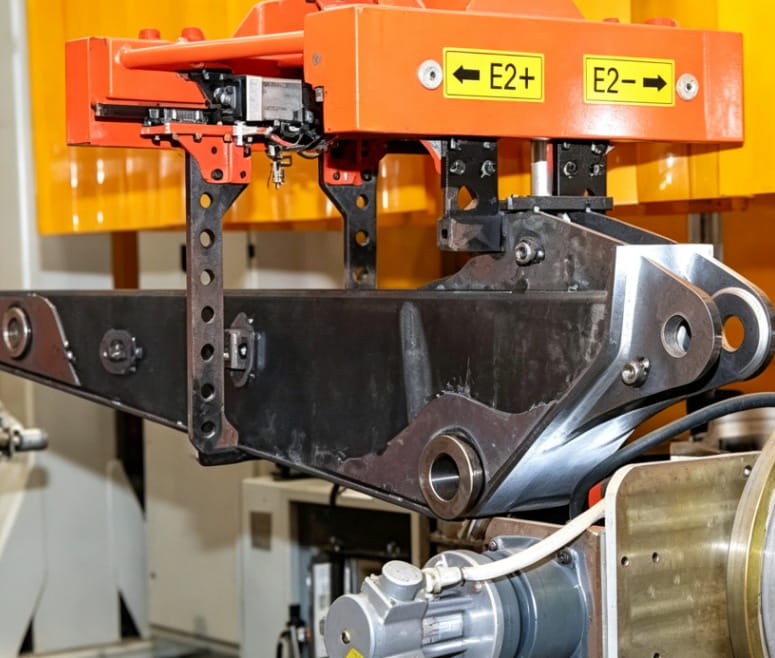
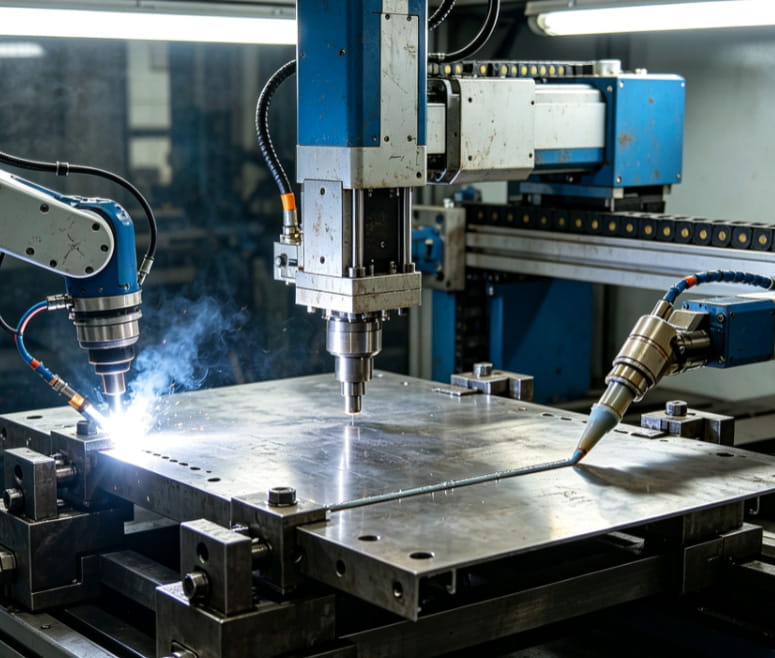
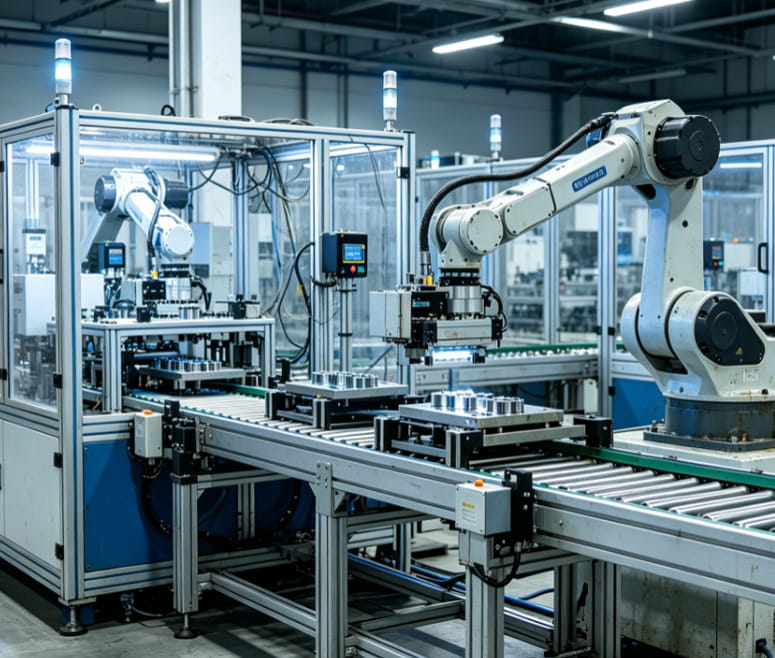
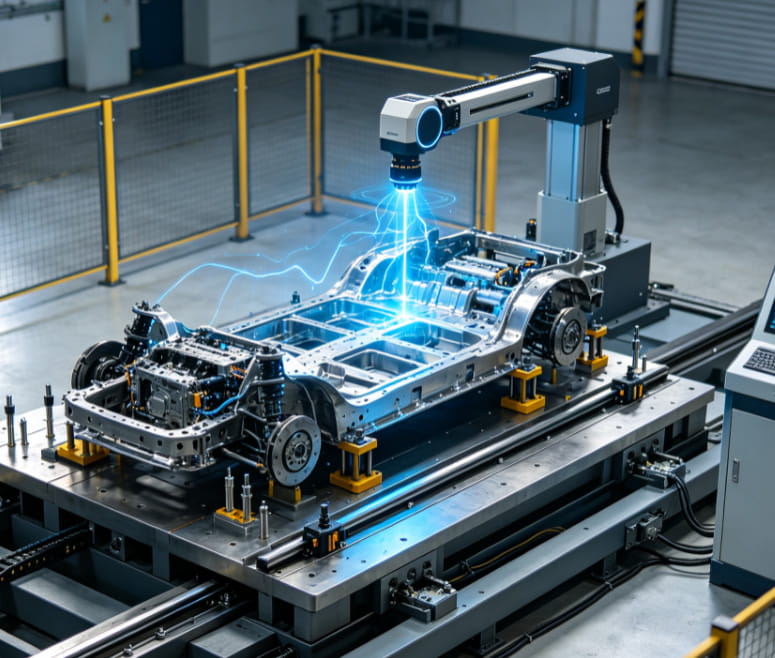
Custom automated welding, punching and gluing machines, matched tooling fixtures and automotive checking fixtures are all high-investment tailor-made production equipment. Stable operation of these machines directly determines workshop output and product yield rate. Establishing a complete standardized daily operation and maintenance (O&M) management system can reduce unexpected breakdowns, extend the overall service life of equipment, tooling and checking fixtures, and lower comprehensive costs for post-sales repair and spare part replacement. It constitutes a vital component of lean production management for manufacturing enterprises.The O&M management system covers four major modules: daily patrol inspection, periodic maintenance, fault logging and spare part inventory, applicable to all types of custom equipment.
For integrated welding, punching and gluing processing equipment, a basic inspection routine shall be carried out before daily startup: check the lubricant level of servo guide rails, sensing sensitivity of safety light curtains, glue line leakage, tightness of welding wiring and response performance of emergency stop devices. During operation, regularly monitor motor load, system alarm logs and cleanliness of vision lenses. Wipe off dust and residual glue in a timely manner to prevent blurry lenses from impairing positioning accuracy. Upon daily production completion, fully clean the whole machine: remove metal punching scraps, welding slag and leftover adhesive, cut off air supply, power and glue feeding systems, and cover the workstation with dust-proof covers.
In-depth maintenance shall be performed weekly: replenish guide rail lubricant, calibrate the home coordinates of servo systems, inspect wear on tooling locating pins and air cylinder air tightness. For gluing equipment, disassemble and clean dispensing guns and mixing chambers to remove cured residual glue and prevent pipeline blockage. For welding units, clear welding torch contact tips and dust filter cartridges to guarantee stable welding arcs.Full-scale machining accuracy calibration is conducted monthly. Standard test blocks are used to verify punching dimensions and welding positioning deviations. Fine-tune servo parameters immediately once offset is detected, so as to avoid mass defective workpieces caused by accumulated long-term dimensional errors.
The core priority of tooling fixture maintenance lies in protection of positioning datums. Prevent tooling from prolonged exposure to stamping impact and high welding temperature; apply protective coating regularly to tooling on high-temperature stations. Replace worn or deformed locating pins and clamping blocks promptly, and clear metal debris inside datum holes regularly to ensure gap-free clamping positioning. Spare parts of modular flexible tooling shall be stored by category with clear labels to prevent positioning deviations from mixed-up components.
Maintenance of automotive checking fixtures follows three core principles: dust prevention, anti-compression and collision avoidance. Wipe dust off datum surfaces after every use and cover with dedicated dust-proof hoods. Do not stack heavy objects during transportation or storage to avoid deformation of fixture bases. Regularly inspect soft buffer clamping blocks for damage and replace them in time. Calibrate the dimensional accuracy of fixtures with standard calibration blocks every quarter and record deviation values; repair or replace worn datum assemblies individually.
A complete O&M logbook shall be maintained synchronously, recording daily inspection results, fault occurrence time, root causes, repair solutions and model numbers of replaced spare parts. Long-term log data can be analyzed to identify high-incident fault periods and vulnerable wearing parts, enabling advance planning of spare part inventory and shortening production line downtime spent waiting for replacement parts.Operators shall receive regular O&M training to master basic inspection and simple troubleshooting skills, so minor faults can be resolved on-site without waiting for professional maintenance technicians.
Although the standardized O&M system seemingly adds daily management workload, it drastically cuts substantial long-term expenses such as unplanned downtime, premature equipment scrapping and frequent remanufacturing of tooling and checking fixtures. It ensures continuous and stable operation of workshop production lines, maximizes the production value of custom automated equipment, and meets the demand for long-duration stable mass production.